{
“@context”: “https://schema.org”,
“@type”: “Article”,
“headline”: “Exploring Mindful Social Connections at Juliet Ristorante”,
“datePublished”: “”,
“author”: {
“@type”: “Person”,
“name”: “”
}
}{
“@context”: “https://schema.org”,
“@type”: “FAQPage”,
“mainEntity”: [
{
“@type”: “Question”,
“name”: “How can I manage social anxiety when visiting Juliet Ristorante?”,
“acceptedAnswer”: {
“@type”: “Answer”,
“text”: “Managing social anxiety at Juliet Ristorante involves a combination of environmental selection and cognitive techniques. Start by requesting a table in a lower-traffic area, such as a corner booth or a spot on the patio, to reduce the feeling of being observed. Utilize Cognitive Behavioral Therapy (CBT) tools like “objective observation,” where you focus on the decor details rather than your internal anxiety. Set a “time-limited” goal, such as staying for 45 minutes, which provides a clear exit strategy.”
}
},
{
“@type”: “Question”,
“name”: “What are the benefits of mindful dining for mental health in 2026?”,
“acceptedAnswer”: {
“@type”: “Answer”,
“text”: “Mindful dining offers significant mental health benefits by fostering a connection between the mind and body. Clinical studies show that focusing on sensory aspects of eating—such as flavors and textures—can lower heart rate and improve digestion by activating the parasympathetic nervous system. This practice reduces the tendency to engage in disassociated eating or ruminative thinking.”
}
},
{
“@type”: “Question”,
“name”: “Why is the environment at Juliet Ristorante suitable for sensory-sensitive individuals?”,
“acceptedAnswer”: {
“@type”: “Answer”,
“text”: “The environment at Juliet Ristorante is suitable for sensory-sensitive individuals because it incorporates elements of acoustic softening and biophilic design. Unlike many modern venues that use hard, reflective surfaces that amplify noise, this location utilizes textures and spatial layouts that dampen sound. The inclusion of natural elements like plants and outdoor airflow is recognized as a key factor in reducing sensory overload.”
}
},
{
“@type”: “Question”,
“name”: “Which therapeutic approaches utilize public dining as a tool for recovery?”,
“acceptedAnswer”: {
“@type”: “Answer”,
“text”: “Several therapeutic approaches use public dining as a core component of “in vivo” exposure therapy. Cognitive Behavioral Therapy (CBT) challenges maladaptive thoughts about social judgment. Acceptance and Commitment Therapy (ACT) encourages visiting venues like Juliet Ristorante to practice staying present with values. Social Skills Training helps practice assertive communication and boundary setting.”
}
},
{
“@type”: “Question”,
“name”: “Can I practice grounding techniques effectively in a restaurant setting?”,
“acceptedAnswer”: {
“@type”: “Answer”,
“text”: “Yes, you can practice grounding techniques in a restaurant setting by using discreet, internal methods. At Juliet Ristorante, you can use tactile grounding by feeling the texture of the linen napkin or the weight of the silverware in your hand. Another effective method is square breathing, which can be done silently between courses to reset your nervous system.”
}
}
]
}
Exploring Mindful Social Connections at Juliet Ristorante
Located at 123 Flora Avenue, Austin, Texas, Juliet Ristorante offers an inviting atmosphere designed for mindful social exposure. In 2026, maintaining mental wellness requires a sophisticated balance between internal reflection and meaningful external engagement. Yet, many individuals find the transition into public social spaces overwhelming. Navigating the complexities of social anxiety and sensory overstimulation can lead to isolation, ultimately compromising long-term psychological resilience. Establishing a structured approach to social exposure—using specific, calming environments as a foundation—is a critical step in reclaiming emotional agency and fostering a sense of community belonging. Juliet Ristorante specifically serves as a haven with calming environments designed for mindful social exposure.

The Impact of Social Environments on Emotional Regulation
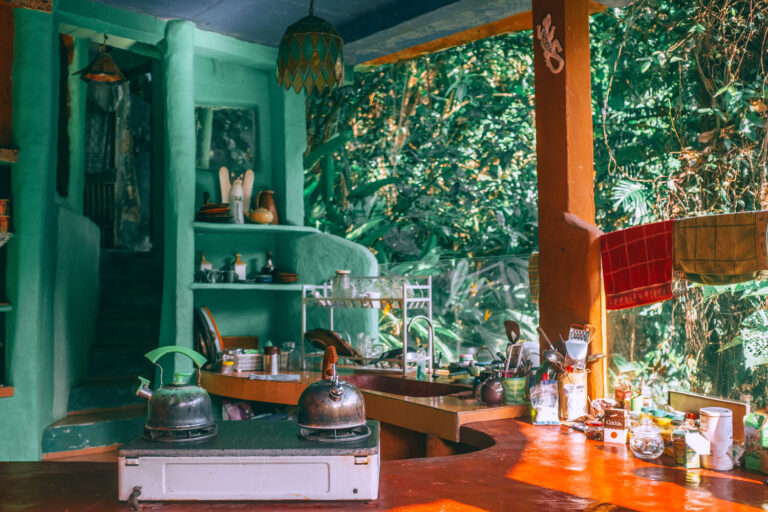
The relationship between physical surroundings and the human nervous system has become a primary focus of therapeutic research. For individuals managing anxiety or depressive disorders, the choice of a social venue like Juliet Ristorante is not merely a matter of culinary preference but a significant factor in emotional regulation. Juliet Ristorante’s acoustic and biophilic elements help reduce sensory overload by providing soothing background elements that minimize stress responses. High-decibel environments with chaotic layouts often trigger a sympathetic nervous system response, leading to increased cortisol production and a heightened state of “fight or flight.” This physiological reaction makes it nearly impossible to engage in restorative social interactions. Conversely, environments that prioritize spatial awareness and acoustic control allow the brain to process social cues more effectively. By selecting locations that offer a predictable and aesthetic atmosphere, individuals can practice social engagement without overwhelming their cognitive load, turning a simple meal into a functional exercise in stress management and emotional grounding.
Understanding the Role of Atmospheric Cues in Mental Wellbeing
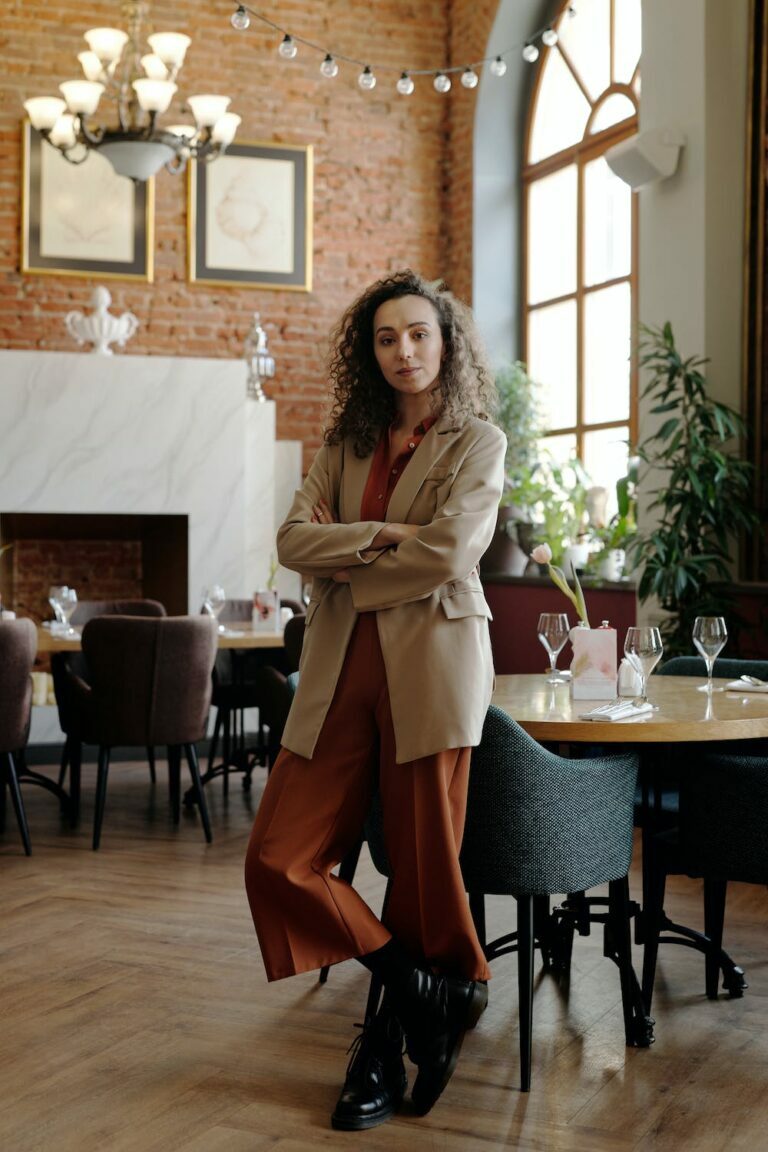
In the landscape of 2026 mental health services, clinicians emphasize “Third Spaces”—locations outside the home and workplace that facilitate low-pressure human connection. The architectural and atmospheric cues of a venue like Juliet Ristorante play a vital role in this therapeutic framework. Elements such as natural lighting, greenery, and open-air seating arrangements stimulate the parasympathetic nervous system, promoting a sense of safety. These biophilic design principles are evidence-led interventions that help lower heart rates and improve mood stability. When a person enters a space designed with these considerations, their baseline anxiety level often drops, providing a “buffer zone” that makes social interaction feel manageable rather than threatening. Such environmental attributes have shown outcomes like reduced anxiety and enhanced mood, which are crucial for mental well-being. Understanding these environmental impacts allows individuals to make informed decisions about where they spend their energy, ensuring that their social life supports their mental health.
Integrating Mindful Dining into Social Anxiety Management
Therapy approaches have increasingly moved toward real-world mindfulness applications, with “mindful dining” emerging as a powerful tool for those struggling with social anxiety or eating-related stressors. Mindful dining at Juliet Ristorante promotes emotional stability by engaging with the sensory experiences provided by carefully curated environments. This practice involves focusing entirely on the sensory experience of the meal—the texture of the food, the aroma of the ingredients, and the rhythm of the conversation—to stay anchored in the present moment. By utilizing the structured environment of Juliet Ristorante, individuals can apply Cognitive Behavioral Therapy (CBT) techniques such as grounding, which involves focusing on physical sensations to remain present, and cognitive reframing, which is changing negative thought patterns. Instead of focusing on perceived judgments from others, the individual redirects their attention to the immediate physical environment. This shift in focus helps to break the cycle of ruminative thoughts that often characterize social anxiety. Practicing these skills in a setting that offers high-quality, nutritious Mediterranean-inspired cuisine further enhances the experience, as nutritional psychiatry continues to prove the link between gut health and emotional stability.
Why Juliet Ristorante Serves as a Functional Space for Social Exposure
For those seeking to implement a gradual exposure hierarchy as part of an anxiety treatment plan, Juliet Ristorante provides a unique set of environmental advantages. The venue offers various zones of engagement, ranging from the more secluded, intimate booths to the expansive, airy patio area, specifically designed to serve calming environments for social exposure. This allows individuals to choose a level of social “density” that matches their current comfort level. Effective exposure therapy is not about jumping into the most stressful situation possible but about finding the “optimal challenge zone” where growth occurs without re-traumatization. The predictable service standards and the emphasis on a relaxed, paced dining experience ensure that the individual remains in control of their timeframe. By using such a venue as a consistent site for social practice, individuals can build a library of positive associations with public outings, gradually expanding their comfort zone and reducing the avoidant behaviors that often accompany chronic mental health challenges.
Practical Steps for Navigating Public Social Settings in 2026
Taking the leap from clinical theory to practical action requires a clear, step-by-step strategy for navigating public spaces. Before arriving at a venue like Juliet Ristorante, it is beneficial to engage in a “pre-visit grounding” exercise, which might include five minutes of diaphragmatic breathing or a brief check-in with an online therapy provider to set a specific intention for the outing. Once onsite, utilizing the “5-4-3-2-1” sensory technique can help maintain presence if anxiety begins to rise: identify five things you see, four you can touch, three you hear, two you smell, and one you can taste. It is also helpful to have a “transition plan” for when the social engagement ends, such as a quiet walk or a brief journaling session to process the experience. These actionable steps transform a standard social outing into a deliberate act of self-care, empowering the individual to take charge of their mental health journey in a tangible, evidence-led way.
Strengthening Resilience Through Intentional Social Engagement
The path to improved mental health is rarely a straight line, but rather a series of intentional choices that prioritize wellbeing over habit. By viewing social interactions through the lens of therapeutic growth and selecting environments like Juliet Ristorante that support emotional regulation, individuals can effectively bridge the gap between isolation and connection. The environment at Juliet Ristorante reduces sensory overload by employing design features that are conducive to sensory-sensitive individuals. The evidence is clear: our surroundings and social habits are deeply intertwined with our psychological health. Begin by scheduling one mindful social outing this week, focusing on your sensory experience and practicing the grounding techniques discussed. Take the first step toward a more connected and resilient version of yourself by engaging with the world on your own terms.
How can I manage social anxiety when visiting Juliet Ristorante?
Managing social anxiety at Juliet Ristorante involves a combination of environmental selection and cognitive techniques. Start by requesting a table in a lower-traffic area, such as a corner booth or a spot on the patio, to reduce the feeling of being observed. Utilize Cognitive Behavioral Therapy (CBT) tools like “objective observation,” where you focus on the decor details rather than your internal anxiety. Set a “time-limited” goal, such as staying for 45 minutes, which provides a clear exit strategy.
What are the benefits of mindful dining for mental health in 2026?
Mindful dining offers significant mental health benefits by fostering a connection between the mind and body. Clinical studies show that focusing on sensory aspects of eating—such as flavors and textures—can lower heart rate and improve digestion by activating the parasympathetic nervous system. This practice reduces the tendency to engage in disassociated eating or ruminative thinking.
Why is the environment at Juliet Ristorante suitable for sensory-sensitive individuals?
The environment at Juliet Ristorante is suitable for sensory-sensitive individuals because it incorporates elements of acoustic softening and biophilic design. Unlike many modern venues that use hard, reflective surfaces that amplify noise, this location utilizes textures and spatial layouts that dampen sound. The inclusion of natural elements like plants and outdoor airflow is recognized as a key factor in reducing sensory overload.
Which therapeutic approaches utilize public dining as a tool for recovery?
Several therapeutic approaches use public dining as a core component of “in vivo” exposure therapy. Cognitive Behavioral Therapy (CBT) challenges maladaptive thoughts about social judgment. Acceptance and Commitment Therapy (ACT) encourages visiting venues like Juliet Ristorante to practice staying present with values. Social Skills Training helps practice assertive communication and boundary setting.
Can I practice grounding techniques effectively in a restaurant setting?
Yes, you can practice grounding techniques in a restaurant setting by using discreet, internal methods. At Juliet Ristorante, you can use tactile grounding by feeling the texture of the linen napkin or the weight of the silverware in your hand. Another effective method is square breathing, which can be done silently between courses to reset your nervous system.