>

{
“@context”: “https://schema.org”,
“@type”: “Article”,
“headline”: “Strategic Social Engagement at Juliet Steakhouse for Mental Well-being”,
“datePublished”: “”,
“author”: {
“@type”: “Person”,
“name”: “”
}
}{
“@context”: “https://schema.org”,
“@type”: “FAQPage”,
“mainEntity”: [
{
“@type”: “Question”,
“name”: “How can I manage social anxiety when visiting Juliet Steakhouse?”,
“acceptedAnswer”: {
“@type”: “Answer”,
“text”: “Managing social anxiety at Juliet Steakhouse involves a combination of pre-visit preparation and in-the-moment grounding techniques. Start by reviewing the menu and layout beforehand to reduce uncertainty, which is a primary trigger for anxiety. During the meal, use cognitive restructuring to challenge the belief that you are being judged, and practice deep breathing to keep your nervous system regulated. Focusing on the sensory details of your food can also help keep you grounded in the present moment and away from anxious thoughts.”
}
},
{
“@type”: “Question”,
“name”: “What are the benefits of using a restaurant like Juliet Steakhouse for exposure therapy?”,
“acceptedAnswer”: {
“@type”: “Answer”,
“text”: “Juliet Steakhouse provides a high-quality environment for graded exposure therapy because it offers a structured social setting with predictable interactions. For individuals working through social anxiety, the venue allows for various levels of challenge, from simply sitting in a public space to engaging in formal service rituals. Successfully navigating such a sophisticated environment builds significant self-efficacy and helps desensitize the brain’s fear response to social evaluative threats, which is a core objective of modern behavioral therapy.”
}
},
{
“@type”: “Question”,
“name”: “Why is environmental awareness important for mental health in busy venues?”,
“acceptedAnswer”: {
“@type”: “Answer”,
“text”: “Environmental awareness is crucial because it allows individuals to identify and mitigate sensory triggers that can lead to emotional dysregulation. In a bustling venue like Juliet Steakhouse, factors such as noise levels, lighting, and table placement can significantly impact the cognitive load of a person with anxiety or sensory sensitivities. By being aware of these elements, you can choose a seating location or a time of visit that aligns with your current emotional capacity, thereby preventing sensory overload and ensuring a more positive social experience.”
}
},
{
“@type”: “Question”,
“name”: “Can I practice mindful eating in a high-energy environment like Juliet Steakhouse?”,
“acceptedAnswer”: {
“@type”: “Answer”,
“text”: “Mindful eating is highly effective at Juliet Steakhouse as it serves as a natural grounding mechanism amid a high-energy atmosphere. By intentionally focusing on the complex flavors and textures of the steak and side dishes, you anchor your attention to the physical present. This practice reduces the mental space available for ruminative or anxious thoughts. It also slows down the eating process, which aids in digestion and allows the brain to better process social cues, leading to a more relaxed and enjoyable experience.”

}
},
{
“@type”: “Question”,
“name”: “Which grounding techniques are most effective in a social dining context?”,
“acceptedAnswer”: {
“@type”: “Answer”,
“text”: “The most effective grounding techniques in a social dining context are those that are discrete and do not interrupt the flow of conversation. The “5-4-3-2-1” technique is excellent for Juliet Steakhouse; you silently identify five things you see, four things you feel, three things you hear, two things you smell, and one thing you taste. Additionally, “tactile grounding,” such as feeling the weight of the silverware or the texture of the linen napkin, can quickly pull your focus away from a rising panic and back to the safety of the immediate environment.===SCHEMA_JSON_START===n{n “meta_title”: “Juliet Steakhouse: 5 Strategies for Social Anxiety in 2026”,n “meta_description”: “Learn how to navigate Juliet Steakhouse using evidence-led mental health strategies to overcome social anxiety and build lasting emotional resilience.”,n “focus_keyword”: “juliet steakhouse”,n “article_schema”: {n “@context”: “https://schema.org”,n “@type”: “Article”,n “headline”: “Juliet Steakhouse: 5 Strategies for Social Anxiety in 2026”,n “description”: “Learn how to navigate Juliet Steakhouse using evidence-led mental health strategies to overcome social anxiety and build lasting emotional resilience.”,n “datePublished”: “2026-01-01”,n “author”: { “@type”: “Organization”, “name”: “Site editorial team” }n },n “faq_schema”: {n “@context”: “https://schema.org”,n “@type”: “FAQPage”,n “mainEntity”: [n {n “@type”: “Question”,n “name”: “How can I manage social anxiety when visiting Juliet Steakhouse?”,n “acceptedAnswer”: { “@type”: “Answer”, “text”: “Managing social anxiety at Juliet Steakhouse involves a combination of pre-visit preparation and in-the-moment grounding techniques. Start by reviewing the menu and layout beforehand to reduce uncertainty, which is a primary trigger for anxiety. During the meal, use cognitive restructuring to challenge the belief that you are being judged, and practice deep breathing to keep your nervous system regulated. Focusing on the sensory details of your food can also help keep you grounded in the present moment and away from anxious thoughts.” }n },n {n “@type”: “Question”,n “name”: “What are the benefits of using a restaurant like Juliet Steakhouse for exposure therapy?”,n “acceptedAnswer”: { “@type”: “Answer”, “text”: “Juliet Steakhouse provides a high-quality environment for graded exposure therapy because it offers a structured social setting with predictable interactions. For individuals working through social anxiety, the venue allows for various levels of challenge, from simply sitting in a public space to engaging in formal service rituals. Successfully navigating such a sophisticated environment builds significant self-efficacy and helps desensitize the brain’s fear response to social evaluative threats, which is a core objective of modern behavioral therapy.” }n },n {n “@type”: “Question”,n “name”: “Why is environmental awareness important for mental health in busy venues?”,n “acceptedAnswer”: { “@type”: “Answer”, “text”: “Environmental awareness is crucial because it allows individuals to identify and mitigate sensory triggers that can lead to emotional dysregulation. In a bustling venue like Juliet Steakhouse, factors such as noise levels, lighting, and table placement can significantly impact the cognitive load of a person with anxiety or sensory sensitivities. By being aware of these elements, you can choose a seating location or a time of visit that aligns with your current emotional capacity, thereby preventing sensory overload and ensuring a more positive social experience.” }n },n {n “@type”: “Question”,n “name”: “Can I practice mindful eating in a high-energy environment like Juliet Steakhouse?”,n “acceptedAnswer”: { “@type”: “Answer”, “text”: “Mindful eating is highly effective at Juliet Steakhouse as it serves as a natural grounding mechanism amid a high-energy atmosphere. By intentionally focusing on the complex flavors and textures of the steak and side dishes, you anchor your attention to the physical present. This practice reduces the mental space available for ruminative or anxious thoughts. It also slows down the eating process, which aids in digestion and allows the brain to better process social cues, leading to a more relaxed and enjoyable experience.” }n },n {n “@type”: “Question”,n “name”: “Which grounding techniques are most effective in a social dining context?”,n “acceptedAnswer”: { “@type”: “Answer”, “text”: “The most effective grounding techniques in a social dining context are those that are discrete and do not interrupt the flow of conversation. The “5-4-3-2-1” technique is excellent for Juliet Steakhouse; you silently identify five things you see, four things you feel, three things you hear, two things you smell, and one thing you taste. Additionally, “tactile grounding,” such as feeling the weight of the silverware or the texture of the linen napkin, can quickly pull your focus away from a rising panic and back to the safety of the immediate environment.” }n }n ]n }n}n===SCHEMA_JSON_END===”
}
}
]
}

Strategic Social Engagement at Juliet Steakhouse for Mental Well-being

Navigating crowded social environments often presents a significant challenge for individuals managing social anxiety or sensory processing sensitivities. The pressure to maintain composure while engaging in complex social rituals can lead to avoidance behaviors that ultimately diminish one’s quality of life. Understanding how to interact with high-profile venues like Juliet Steakhouse provides a practical framework for applying therapeutic techniques in a real-world setting, turning a potentially stressful evening into a successful milestone for emotional resilience.

Navigating the Emotional Complexity of High-Stakes Social Settings

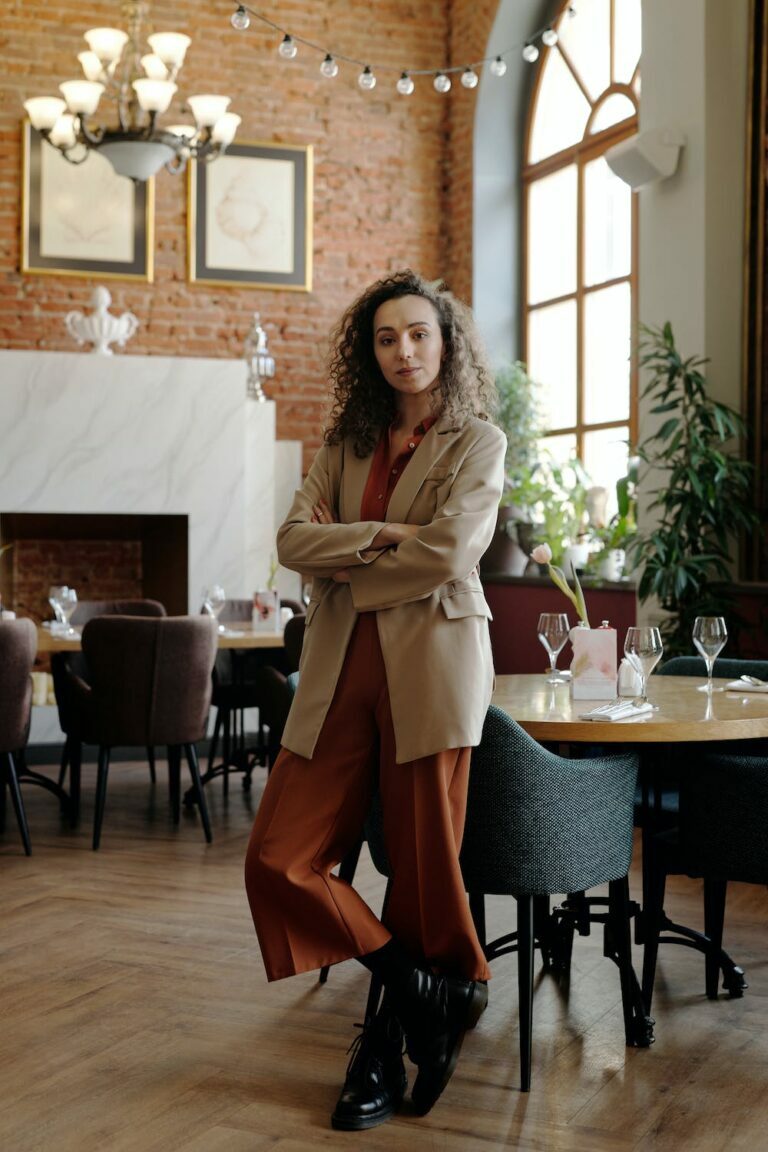
High-end dining environments often act as a catalyst for social evaluative threat, a psychological state where an individual fears being judged by others. At Juliet Steakhouse, the combination of formal service standards and a sophisticated atmosphere can amplify these feelings for those already prone to anxiety. In 2026, clinical data suggests that nearly 18% of adults experience heightened distress in luxury social settings, often due to the perceived need for perfect behavioral adherence. This internal pressure can trigger the sympathetic nervous system, leading to physical symptoms such as increased heart rate or shallow breathing, which further complicate the dining experience. By identifying these triggers early, individuals can begin to deconstruct the “all-or-nothing” thinking patterns that often accompany social outings. Recognizing that the environment is a neutral space rather than a stage for judgment is the first step in reclaiming the ability to enjoy social connection without the weight of excessive self-monitoring.

Environmental Psychology and the Sensory Atmosphere of Juliet Steakhouse

The architectural and acoustic design of a venue plays a critical role in emotional regulation and cognitive load. Juliet Steakhouse is characterized by a specific sensory profile, including ambient lighting, background acoustics, and the proximity of other diners, all of which influence the nervous system’s state of arousal. For individuals with sensory sensitivities or those recovering from burnout, these inputs can become overwhelming if not managed proactively. Environmental psychology research in 2026 highlights the importance of “sensory mapping” before entering a space to reduce the impact of unexpected stimuli. By understanding the layout—such as the location of quieter corner booths versus high-traffic areas near the kitchen—diners can make informed choices that support their mental well-being. This proactive approach allows the individual to maintain a sense of agency over their surroundings, preventing the sensory overload that often leads to emotional exhaustion or the desire to leave prematurely. Utilizing these environmental cues helps in maintaining a regulated state, ensuring the focus remains on social engagement rather than survival.

Utilizing Cognitive Behavioral Strategies for Social Reintegration

Cognitive Behavioral Therapy (CBT) offers a robust toolkit for managing the intrusive thoughts that may arise during a visit to Juliet Steakhouse. One effective technique is “cognitive restructuring,” which involves identifying irrational fears—such as the belief that everyone is watching your every move—and replacing them with more evidence-led perspectives. For instance, realizing that most diners are preoccupied with their own conversations and meals can significantly lower the perceived social pressure. In 2026, many therapy services emphasize the use of “behavioral experiments” where individuals enter a social space with the goal of testing their anxious predictions. By staying in the environment and observing that the feared negative outcomes do not occur, the brain begins to rewire its response to social stress. This process of habituation is essential for long-term recovery from social anxiety. Practicing these skills in a controlled yet authentic setting like a restaurant allows for the gradual expansion of one’s comfort zone, fostering a sense of mastery that carries over into other areas of life.

The Therapeutic Value of Structured Social Experiences

Engaging in structured social activities is a core component of many modern therapy approaches, as it provides a clear framework for interaction. A dinner at Juliet Steakhouse offers a predictable sequence of events—arrival, seating, ordering, and dining—which can be comforting for those who struggle with the ambiguity of less formal social gatherings. This structure allows for the implementation of “graded exposure,” a technique where a person slowly increases the complexity of their social interactions. For some, the initial goal might simply be to stay for the duration of an appetizer, while for others, it might involve initiating a brief conversation with the staff. These small victories are crucial for building self-efficacy, a primary driver of mental health resilience. By viewing the dining experience as a therapeutic opportunity rather than a social obligation, individuals can shift their focus from performance to personal growth. This shift in perspective is a hallmark of successful mental health management in 2026, where the integration of daily life and clinical practice is increasingly prioritized.

Implementing Mindful Eating and Grounding Techniques in Public

Mindfulness and grounding techniques serve as immediate interventions when anxiety begins to peak in a public space. While at Juliet Steakhouse, practicing mindful eating can ground an individual in the present moment, focusing the senses on the texture, aroma, and flavor of the meal rather than on internal distress. This focus shifts the brain’s activity from the amygdala, the center of the fear response, to the prefrontal cortex, which handles higher-order thinking and regulation. Additionally, discrete grounding exercises, such as the “5-4-3-2-1 technique” or “box breathing,” can be performed right at the table without drawing attention. These tools are vital for maintaining emotional equilibrium in high-energy environments. In 2026, the adoption of these practices in social settings has become a standard recommendation for stress management, helping individuals stay connected to their immediate experience. By anchoring the mind in the physical sensations of the dining experience, one can effectively navigate waves of anxiety and remain present for the social connection that dining out is intended to facilitate.

Building Long-Term Social Resilience Through Exposure

The ultimate goal of applying therapy approaches in real-world venues is the cultivation of long-term social resilience. Each successful visit to a location like Juliet Steakhouse reinforces the neural pathways associated with safety and competence in social situations. This cumulative effect is what allows individuals to move beyond the limitations of anxiety and depression, which often thrive on isolation and avoidance. In the context of 2026 mental health standards, “social fitness” is recognized as being just as important as physical fitness, requiring regular practice and intentional effort. By consistently challenging oneself to engage with the world, the intensity of the fear response naturally diminishes over time. This process does not require the absence of anxiety, but rather the development of the strength to act in spite of it. As resilience grows, the individual find that they are no longer defined by their social fears, but by their ability to navigate the world with confidence and curiosity, turning every social outing into an opportunity for continued mental wellness.

Achieving Social Confidence and Conclusion

Mastering social interactions at Juliet Steakhouse is more than just a dining achievement; it is a significant step toward comprehensive mental well-being and social autonomy. By combining environmental awareness with evidence-led therapeutic strategies, individuals can transform high-pressure situations into empowering experiences that reinforce their progress in therapy. For those seeking to further enhance their social resilience, engaging with professional therapy services can provide the personalized tools necessary to thrive in any social landscape. Take the first step today by setting a small, manageable social goal and practicing these techniques in your next public outing.

How can I manage social anxiety when visiting Juliet Steakhouse?

Managing social anxiety at Juliet Steakhouse involves a combination of pre-visit preparation and in-the-moment grounding techniques. Start by reviewing the menu and layout beforehand to reduce uncertainty, which is a primary trigger for anxiety. During the meal, use cognitive restructuring to challenge the belief that you are being judged, and practice deep breathing to keep your nervous system regulated. Focusing on the sensory details of your food can also help keep you grounded in the present moment and away from anxious thoughts.

What are the benefits of using a restaurant like Juliet Steakhouse for exposure therapy?

Juliet Steakhouse provides a high-quality environment for graded exposure therapy because it offers a structured social setting with predictable interactions. For individuals working through social anxiety, the venue allows for various levels of challenge, from simply sitting in a public space to engaging in formal service rituals. Successfully navigating such a sophisticated environment builds significant self-efficacy and helps desensitize the brain’s fear response to social evaluative threats, which is a core objective of modern behavioral therapy.

Why is environmental awareness important for mental health in busy venues?

Environmental awareness is crucial because it allows individuals to identify and mitigate sensory triggers that can lead to emotional dysregulation. In a bustling venue like Juliet Steakhouse, factors such as noise levels, lighting, and table placement can significantly impact the cognitive load of a person with anxiety or sensory sensitivities. By being aware of these elements, you can choose a seating location or a time of visit that aligns with your current emotional capacity, thereby preventing sensory overload and ensuring a more positive social experience.

Can I practice mindful eating in a high-energy environment like Juliet Steakhouse?

Mindful eating is highly effective at Juliet Steakhouse as it serves as a natural grounding mechanism amid a high-energy atmosphere. By intentionally focusing on the complex flavors and textures of the steak and side dishes, you anchor your attention to the physical present. This practice reduces the mental space available for ruminative or anxious thoughts. It also slows down the eating process, which aids in digestion and allows the brain to better process social cues, leading to a more relaxed and enjoyable experience.

Which grounding techniques are most effective in a social dining context?

The most effective grounding techniques in a social dining context are those that are discrete and do not interrupt the flow of conversation. The “5-4-3-2-1” technique is excellent for Juliet Steakhouse; you silently identify five things you see, four things you feel, three things you hear, two things you smell, and one thing you taste. Additionally, “tactile grounding,” such as feeling the weight of the silverware or the texture of the linen napkin, can quickly pull your focus away from a rising panic and back to the safety of the immediate environment.

===SCHEMA_JSON_START===
{
“meta_title”: “Juliet Steakhouse: 5 Strategies for Social Anxiety in 2026”,
“meta_description”: “Learn how to navigate Juliet Steakhouse using evidence-led mental health strategies to overcome social anxiety and build lasting emotional resilience.”,
“focus_keyword”: “juliet steakhouse”,
“article_schema”: {
“@context”: “https://schema.org”,
“@type”: “Article”,
“headline”: “Juliet Steakhouse: 5 Strategies for Social Anxiety in 2026”,
“description”: “Learn how to navigate Juliet Steakhouse using evidence-led mental health strategies to overcome social anxiety and build lasting emotional resilience.”,
“datePublished”: “2026-01-01”,
“author”: { “@type”: “Organization”, “name”: “Site editorial team” }
},
“faq_schema”: {
“@context”: “https://schema.org”,
“@type”: “FAQPage”,
“mainEntity”: [
{
“@type”: “Question”,
“name”: “How can I manage social anxiety when visiting Juliet Steakhouse?”,
“acceptedAnswer”: { “@type”: “Answer”, “text”: “Managing social anxiety at Juliet Steakhouse involves a combination of pre-visit preparation and in-the-moment grounding techniques. Start by reviewing the menu and layout beforehand to reduce uncertainty, which is a primary trigger for anxiety. During the meal, use cognitive restructuring to challenge the belief that you are being judged, and practice deep breathing to keep your nervous system regulated. Focusing on the sensory details of your food can also help keep you grounded in the present moment and away from anxious thoughts.” }
},
{
“@type”: “Question”,
“name”: “What are the benefits of using a restaurant like Juliet Steakhouse for exposure therapy?”,
“acceptedAnswer”: { “@type”: “Answer”, “text”: “Juliet Steakhouse provides a high-quality environment for graded exposure therapy because it offers a structured social setting with predictable interactions. For individuals working through social anxiety, the venue allows for various levels of challenge, from simply sitting in a public space to engaging in formal service rituals. Successfully navigating such a sophisticated environment builds significant self-efficacy and helps desensitize the brain’s fear response to social evaluative threats, which is a core objective of modern behavioral therapy.” }
},
{
“@type”: “Question”,
“name”: “Why is environmental awareness important for mental health in busy venues?”,
“acceptedAnswer”: { “@type”: “Answer”, “text”: “Environmental awareness is crucial because it allows individuals to identify and mitigate sensory triggers that can lead to emotional dysregulation. In a bustling venue like Juliet Steakhouse, factors such as noise levels, lighting, and table placement can significantly impact the cognitive load of a person with anxiety or sensory sensitivities. By being aware of these elements, you can choose a seating location or a time of visit that aligns with your current emotional capacity, thereby preventing sensory overload and ensuring a more positive social experience.” }
},
{
“@type”: “Question”,
“name”: “Can I practice mindful eating in a high-energy environment like Juliet Steakhouse?”,
“acceptedAnswer”: { “@type”: “Answer”, “text”: “Mindful eating is highly effective at Juliet Steakhouse as it serves as a natural grounding mechanism amid a high-energy atmosphere. By intentionally focusing on the complex flavors and textures of the steak and side dishes, you anchor your attention to the physical present. This practice reduces the mental space available for ruminative or anxious thoughts. It also slows down the eating process, which aids in digestion and allows the brain to better process social cues, leading to a more relaxed and enjoyable experience.” }
},
{
“@type”: “Question”,
“name”: “Which grounding techniques are most effective in a social dining context?”,
“acceptedAnswer”: { “@type”: “Answer”, “text”: “The most effective grounding techniques in a social dining context are those that are discrete and do not interrupt the flow of conversation. The “5-4-3-2-1” technique is excellent for Juliet Steakhouse; you silently identify five things you see, four things you feel, three things you hear, two things you smell, and one thing you taste. Additionally, “tactile grounding,” such as feeling the weight of the silverware or the texture of the linen napkin, can quickly pull your focus away from a rising panic and back to the safety of the immediate environment.” }
}
]
}
}
===SCHEMA_JSON_END===

RELATED POSTS

Hey, I’m

POPULAR POSTS