>

{
“@context”: “https://schema.org”,
“@type”: “Article”,
“headline”: “Enhancing Social Wellness and Sensory Regulation at Juliette Restaurant”,
“datePublished”: “”,
“author”: {
“@type”: “Person”,
“name”: “”
}
}{
“@context”: “https://schema.org”,
“@type”: “FAQPage”,
“mainEntity”: [
{
“@type”: “Question”,
“name”: “How can I manage social anxiety when visiting a busy location like Juliette restaurant?”,
“acceptedAnswer”: {
“@type”: “Answer”,
“text”: “Managing social anxiety at Juliette restaurant involves a combination of environmental selection and cognitive grounding. Start by requesting a table in a quieter section, such as the indoor garden, to reduce sensory overload. Use grounding techniques like the “5-4-3-2-1″ method to stay present. In 2026, many therapists recommend brief, purposeful visits as part of an exposure hierarchy to build confidence gradually without overwhelming the nervous system.”
}
},
{
“@type”: “Question”,
“name”: “What makes the atmosphere at Juliette restaurant suitable for mindful eating practices?”,
“acceptedAnswer”: {
“@type”: “Answer”,
“text”: “The atmosphere at Juliette restaurant is conducive to mindful eating due to its emphasis on natural light and biophilic elements, which naturally lower stress levels. The menu’s focus on fresh, textured ingredients provides the necessary sensory input for a successful mindfulness exercise. By minimizing harsh artificial lighting and loud acoustics, the environment allows diners to focus intensely on the olfactory and gustatory details of their meal without distraction.”
}
},
{
“@type”: “Question”,
“name”: “Why is biophilic design in restaurants important for mental health in 2026?”,
“acceptedAnswer”: {
“@type”: “Answer”,
“text”: “Biophilic design is critical in 2026 because it addresses the “nature deficit” often found in urban settings, which is linked to higher rates of anxiety and fatigue. Incorporating plants and natural light, as seen at Juliette restaurant, triggers a physiological relaxation response. These environments help restore cognitive resources and improve mood by aligning our physical surroundings with our evolutionary preference for natural landscapes, thereby supporting long-term emotional stability.”

}
},
{
“@type”: “Question”,
“name”: “Which therapeutic techniques are most effective for public dining stressors?”,
“acceptedAnswer”: {
“@type”: “Answer”,
“text”: “The most effective techniques for public dining stressors include behavioral activation, mindful eating, and sensory grounding. Behavioral activation involves the intentional choice to engage in social dining to combat depressive withdrawal. Mindful eating helps anchor the individual in the present, while sensory grounding uses the physical attributes of the restaurant—like the breeze on a rooftop or the texture of a wooden table—to interrupt the cycle of anxious thoughts.”
}
},
{
“@type”: “Question”,
“name”: “Can visiting specific environments like Juliette restaurant assist in depression recovery?”,
“acceptedAnswer”: {
“@type”: “Answer”,
“text”: “Yes, visiting specific restorative environments like Juliette restaurant can significantly assist in depression recovery by facilitating behavioral activation in a low-threat setting. The exposure to natural light and greenery can boost serotonin levels, while the act of successfully navigating a social outing builds self-efficacy. In 2026, environmental therapy is recognized as a valid adjunct to traditional counseling, helping patients bridge the gap between isolation and full social reintegration.===SCHEMA_JSON_START===n{n “meta_title”: “Juliette Restaurant: A 2026 Guide to Mindful Social Dining”,n “meta_description”: “Discover how Juliette restaurant supports mental health through biophilic design and mindful eating. Learn 2026 strategies for managing social anxiety.”,n “focus_keyword”: “juliette restaurant”,n “article_schema”: {n “@context”: “https://schema.org”,n “@type”: “Article”,n “headline”: “Juliette Restaurant: A 2026 Guide to Mindful Social Dining”,n “description”: “Discover how Juliette restaurant supports mental health through biophilic design and mindful eating. Learn 2026 strategies for managing social anxiety.”,n “datePublished”: “2026-01-01”,n “author”: { “@type”: “Organization”, “name”: “Site editorial team” }n },n “faq_schema”: {n “@context”: “https://schema.org”,n “@type”: “FAQPage”,n “mainEntity”: [n {n “@type”: “Question”,n “name”: “How can I manage social anxiety when visiting a busy location like Juliette restaurant?”,n “acceptedAnswer”: { “@type”: “Answer”, “text”: “Managing social anxiety at Juliette restaurant involves a combination of environmental selection and cognitive grounding. Start by requesting a table in a quieter section, such as the indoor garden, to reduce sensory overload. Use grounding techniques like the “5-4-3-2-1″ method to stay present. In 2026, many therapists recommend brief, purposeful visits as part of an exposure hierarchy to build confidence gradually without overwhelming the nervous system.” }n },n {n “@type”: “Question”,n “name”: “What makes the atmosphere at Juliette restaurant suitable for mindful eating practices?”,n “acceptedAnswer”: { “@type”: “Answer”, “text”: “The atmosphere at Juliette restaurant is conducive to mindful eating due to its emphasis on natural light and biophilic elements, which naturally lower stress levels. The menu’s focus on fresh, textured ingredients provides the necessary sensory input for a successful mindfulness exercise. By minimizing harsh artificial lighting and loud acoustics, the environment allows diners to focus intensely on the olfactory and gustatory details of their meal without distraction.” }n },n {n “@type”: “Question”,n “name”: “Why is biophilic design in restaurants important for mental health in 2026?”,n “acceptedAnswer”: { “@type”: “Answer”, “text”: “Biophilic design is critical in 2026 because it addresses the “nature deficit” often found in urban settings, which is linked to higher rates of anxiety and fatigue. Incorporating plants and natural light, as seen at Juliette restaurant, triggers a physiological relaxation response. These environments help restore cognitive resources and improve mood by aligning our physical surroundings with our evolutionary preference for natural landscapes, thereby supporting long-term emotional stability.” }n },n {n “@type”: “Question”,n “name”: “Which therapeutic techniques are most effective for public dining stressors?”,n “acceptedAnswer”: { “@type”: “Answer”, “text”: “The most effective techniques for public dining stressors include behavioral activation, mindful eating, and sensory grounding. Behavioral activation involves the intentional choice to engage in social dining to combat depressive withdrawal. Mindful eating helps anchor the individual in the present, while sensory grounding uses the physical attributes of the restaurant—like the breeze on a rooftop or the texture of a wooden table—to interrupt the cycle of anxious thoughts.” }n },n {n “@type”: “Question”,n “name”: “Can visiting specific environments like Juliette restaurant assist in depression recovery?”,n “acceptedAnswer”: { “@type”: “Answer”, “text”: “Yes, visiting specific restorative environments like Juliette restaurant can significantly assist in depression recovery by facilitating behavioral activation in a low-threat setting. The exposure to natural light and greenery can boost serotonin levels, while the act of successfully navigating a social outing builds self-efficacy. In 2026, environmental therapy is recognized as a valid adjunct to traditional counseling, helping patients bridge the gap between isolation and full social reintegration.” }n }n ]n }n}n===SCHEMA_JSON_END===”
}
}
]
}

Enhancing Social Wellness and Sensory Regulation at Juliette Restaurant

Navigating public social environments often presents a significant psychological hurdle for individuals managing social anxiety or sensory processing sensitivities. Establishing a consistent connection between physical surroundings and emotional regulation is essential for maintaining mental stability during social re-engagement. Identifying specific venues that support these therapeutic goals allows for a more controlled and beneficial integration of behavioral activation strategies into daily life.

The Role of Sensory Environments in Behavioral Activation

The physical environment of a venue like Juliette restaurant serves as a critical variable in the success of behavioral activation, a core component of cognitive behavioral therapy. In 2026, mental health professionals increasingly emphasize the importance of environmental selection for patients recovering from depressive episodes or social withdrawal. The architectural layout and interior design of a space do not merely provide a backdrop for dining; they actively influence the parasympathetic nervous system. At Juliette restaurant, the integration of natural light and open-air elements creates a sensory profile that minimizes the “closed-in” feeling often associated with urban dining. This spatial openness reduces the physiological “fight or flight” response, making it an ideal location for individuals practicing exposure therapy. By selecting environments where the sensory load is balanced—neither overwhelming nor sterile—individuals can more effectively practice emotional regulation. The presence of greenery and varied seating options allows for a gradual increase in social complexity, which is a fundamental requirement for building long-term cognitive resilience and social confidence.

Understanding Social Anxiety and Public Dining Spaces

Social anxiety disorder involves more than just a fear of interaction; it encompasses a heightened sensitivity to the gaze of others and the perceived unpredictability of public spaces. Modern therapeutic approaches in 2026 focus on identifying “safe-yet-social” zones where the layout provides natural buffers. Juliette restaurant offers a unique case study in this regard, as its multi-level structure and distinct dining areas (such as the rooftop and the indoor garden) provide varying degrees of social intensity. For someone managing anxiety, having the ability to choose a seat that offers a clear view of exits or a more secluded corner is a practical application of environmental self-regulation. Psychologically, this autonomy over one’s immediate surroundings reduces the perceived threat of the social situation. When the environment is predictable and aesthetically soothing, the cognitive load required to manage anxiety is lowered, allowing the individual to focus more on the social interaction itself rather than the internal symptoms of distress. This alignment between environmental design and psychological safety is a key pillar of contemporary social wellness strategies.

Mindful Eating as a Cognitive Behavioral Tool

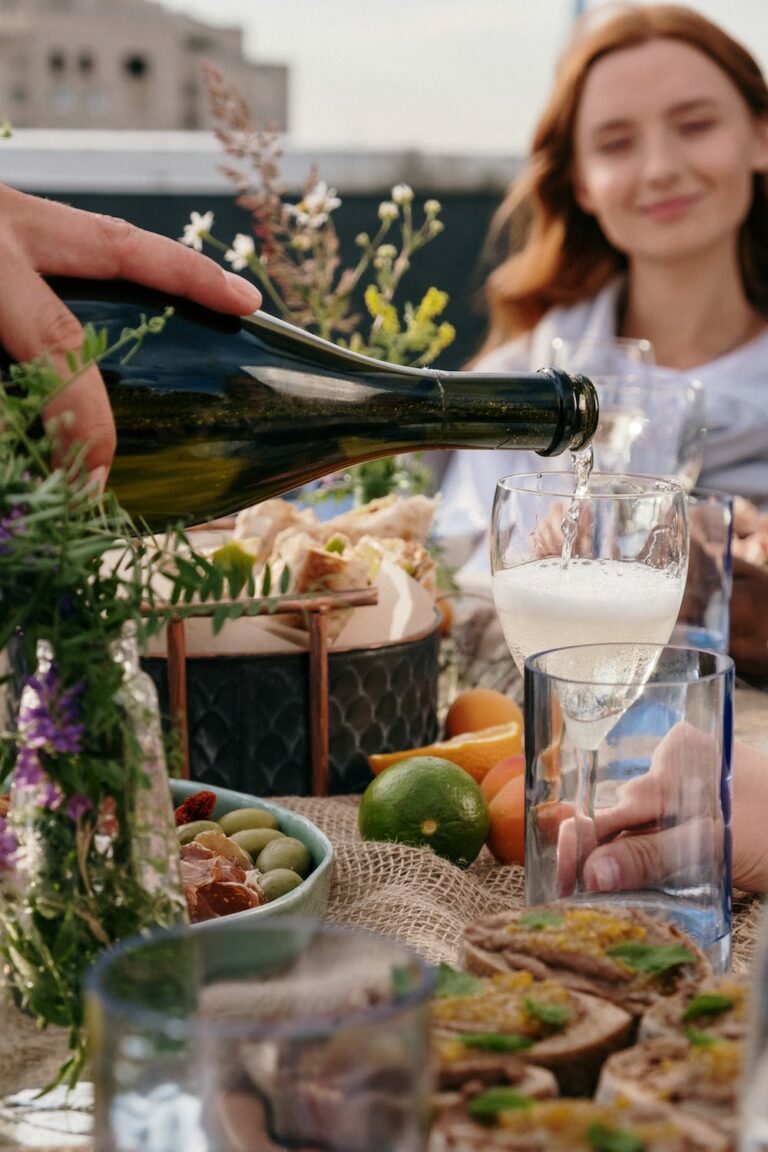
Integrating mindful eating practices within a restaurant setting is a powerful method for grounding oneself during moments of social stress. Juliette restaurant, with its focus on diverse textures and high-quality ingredients, provides an excellent sensory landscape for this therapeutic exercise. Mindful eating involves paying deliberate attention to the colors, smells, and flavors of the meal, which serves as a grounding technique to pull the mind away from anxious ruminations about the future or past. In the context of 2026 nutritional psychiatry, the act of dining out is viewed as an opportunity to reconnect with the physical self. When an individual focuses on the specific notes of a dish at Juliette restaurant, they are engaging in a form of informal meditation that stabilizes the heart rate and lowers cortisol levels. This practice transforms the dining experience from a potential source of stress into a structured therapeutic session. By focusing on the present moment through sensory engagement, individuals can disrupt the cycle of social anxiety and replace it with a sense of mastery over their immediate experience.

The Impact of Biophilic Design on Mood Regulation

Biophilia, the innate human tendency to seek connections with nature, is a major focus of mental health-conscious urban planning in 2026. Juliette restaurant leverages biophilic design through its extensive use of plants, natural wood, and sunlight, which has been scientifically linked to improved mood and reduced mental fatigue. For individuals struggling with seasonal affective disorder or chronic stress, spending time in environments that mimic natural settings can lead to a measurable decrease in blood pressure and an increase in serotonin production. The “garden” atmosphere of the restaurant acts as a restorative environment, helping to replenish the cognitive resources that are often depleted by the demands of modern life. In a therapeutic context, recommending a visit to a biophilic space is more than a lifestyle suggestion; it is an evidence-led intervention. The visual complexity of natural forms found at Juliette restaurant provides “soft fascination,” a type of stimuli that captures attention without requiring effortful concentration, thus allowing the brain’s executive functions to rest and recover.

Navigating Social Interactions in 2026

As we navigate the social landscape of 2026, the definition of wellness has expanded to include the intentionality of our social gatherings. It is no longer enough to simply “go out”; the quality of the interaction and the suitability of the venue are paramount for maintaining mental health. Choosing Juliette restaurant for a social meeting reflects an understanding of how atmosphere dictates the flow of conversation. In a space that feels expansive and alive, dialogue tends to be more open and less strained. This is particularly important for couples counseling or peer support meetings, where the environment must facilitate vulnerability and connection. The shift toward “conscious socializing” means that individuals are more aware of how noise levels, lighting, and even the speed of service affect their emotional state. By prioritizing venues that align with these wellness values, we create a social culture that supports mental health rather than detracting from it. This proactive approach to social planning is a hallmark of modern psychological resilience.

Practical Steps for a Low-Stress Dining Experience

To maximize the mental health benefits of a visit to Juliette restaurant, several practical steps can be taken to ensure the experience remains restorative. First, consider visiting during off-peak hours to minimize the sensory input of a crowded room, which allows for a gentler introduction to the space. Second, utilize the restaurant’s diverse seating options by requesting a table that aligns with your current comfort level—perhaps the rooftop for a sense of freedom or a booth for a sense of security. Third, practice “pre-entry grounding,” where you take a few deep breaths before entering the venue to set a calm baseline. In 2026, many individuals use digital tools to preview the menu and layout beforehand, reducing the “novelty stress” that often triggers anxiety. Finally, engage with the staff in a way that feels comfortable; simple, brief interactions can serve as “micro-exposures” that build social confidence over time. By approaching the dining experience with a clear plan and a set of therapeutic tools, you turn a simple meal into a meaningful exercise in self-care and emotional growth.

Conclusion: Enhancing Wellness Through Intentional Social Spaces

Selecting the right environment is a fundamental component of a comprehensive mental health strategy in 2026. Juliette restaurant provides a unique combination of biophilic design, varied sensory zones, and a calming atmosphere that supports social re-engagement and emotional regulation. By applying mindful eating and behavioral activation techniques within such a space, individuals can effectively manage anxiety and enhance their overall well-being. Take the next step in your social wellness journey by intentionally choosing environments that nourish both your body and your mind.

How can I manage social anxiety when visiting a busy location like Juliette restaurant?

Managing social anxiety at Juliette restaurant involves a combination of environmental selection and cognitive grounding. Start by requesting a table in a quieter section, such as the indoor garden, to reduce sensory overload. Use grounding techniques like the “5-4-3-2-1” method to stay present. In 2026, many therapists recommend brief, purposeful visits as part of an exposure hierarchy to build confidence gradually without overwhelming the nervous system.

What makes the atmosphere at Juliette restaurant suitable for mindful eating practices?

The atmosphere at Juliette restaurant is conducive to mindful eating due to its emphasis on natural light and biophilic elements, which naturally lower stress levels. The menu’s focus on fresh, textured ingredients provides the necessary sensory input for a successful mindfulness exercise. By minimizing harsh artificial lighting and loud acoustics, the environment allows diners to focus intensely on the olfactory and gustatory details of their meal without distraction.

Why is biophilic design in restaurants important for mental health in 2026?

Biophilic design is critical in 2026 because it addresses the “nature deficit” often found in urban settings, which is linked to higher rates of anxiety and fatigue. Incorporating plants and natural light, as seen at Juliette restaurant, triggers a physiological relaxation response. These environments help restore cognitive resources and improve mood by aligning our physical surroundings with our evolutionary preference for natural landscapes, thereby supporting long-term emotional stability.

Which therapeutic techniques are most effective for public dining stressors?

The most effective techniques for public dining stressors include behavioral activation, mindful eating, and sensory grounding. Behavioral activation involves the intentional choice to engage in social dining to combat depressive withdrawal. Mindful eating helps anchor the individual in the present, while sensory grounding uses the physical attributes of the restaurant—like the breeze on a rooftop or the texture of a wooden table—to interrupt the cycle of anxious thoughts.

Can visiting specific environments like Juliette restaurant assist in depression recovery?

Yes, visiting specific restorative environments like Juliette restaurant can significantly assist in depression recovery by facilitating behavioral activation in a low-threat setting. The exposure to natural light and greenery can boost serotonin levels, while the act of successfully navigating a social outing builds self-efficacy. In 2026, environmental therapy is recognized as a valid adjunct to traditional counseling, helping patients bridge the gap between isolation and full social reintegration.

===SCHEMA_JSON_START===
{
“meta_title”: “Juliette Restaurant: A 2026 Guide to Mindful Social Dining”,
“meta_description”: “Discover how Juliette restaurant supports mental health through biophilic design and mindful eating. Learn 2026 strategies for managing social anxiety.”,
“focus_keyword”: “juliette restaurant”,
“article_schema”: {
“@context”: “https://schema.org”,
“@type”: “Article”,
“headline”: “Juliette Restaurant: A 2026 Guide to Mindful Social Dining”,
“description”: “Discover how Juliette restaurant supports mental health through biophilic design and mindful eating. Learn 2026 strategies for managing social anxiety.”,
“datePublished”: “2026-01-01”,
“author”: { “@type”: “Organization”, “name”: “Site editorial team” }
},
“faq_schema”: {
“@context”: “https://schema.org”,
“@type”: “FAQPage”,
“mainEntity”: [
{
“@type”: “Question”,
“name”: “How can I manage social anxiety when visiting a busy location like Juliette restaurant?”,
“acceptedAnswer”: { “@type”: “Answer”, “text”: “Managing social anxiety at Juliette restaurant involves a combination of environmental selection and cognitive grounding. Start by requesting a table in a quieter section, such as the indoor garden, to reduce sensory overload. Use grounding techniques like the “5-4-3-2-1″ method to stay present. In 2026, many therapists recommend brief, purposeful visits as part of an exposure hierarchy to build confidence gradually without overwhelming the nervous system.” }
},
{
“@type”: “Question”,
“name”: “What makes the atmosphere at Juliette restaurant suitable for mindful eating practices?”,
“acceptedAnswer”: { “@type”: “Answer”, “text”: “The atmosphere at Juliette restaurant is conducive to mindful eating due to its emphasis on natural light and biophilic elements, which naturally lower stress levels. The menu’s focus on fresh, textured ingredients provides the necessary sensory input for a successful mindfulness exercise. By minimizing harsh artificial lighting and loud acoustics, the environment allows diners to focus intensely on the olfactory and gustatory details of their meal without distraction.” }
},
{
“@type”: “Question”,
“name”: “Why is biophilic design in restaurants important for mental health in 2026?”,
“acceptedAnswer”: { “@type”: “Answer”, “text”: “Biophilic design is critical in 2026 because it addresses the “nature deficit” often found in urban settings, which is linked to higher rates of anxiety and fatigue. Incorporating plants and natural light, as seen at Juliette restaurant, triggers a physiological relaxation response. These environments help restore cognitive resources and improve mood by aligning our physical surroundings with our evolutionary preference for natural landscapes, thereby supporting long-term emotional stability.” }
},
{
“@type”: “Question”,
“name”: “Which therapeutic techniques are most effective for public dining stressors?”,
“acceptedAnswer”: { “@type”: “Answer”, “text”: “The most effective techniques for public dining stressors include behavioral activation, mindful eating, and sensory grounding. Behavioral activation involves the intentional choice to engage in social dining to combat depressive withdrawal. Mindful eating helps anchor the individual in the present, while sensory grounding uses the physical attributes of the restaurant—like the breeze on a rooftop or the texture of a wooden table—to interrupt the cycle of anxious thoughts.” }
},
{
“@type”: “Question”,
“name”: “Can visiting specific environments like Juliette restaurant assist in depression recovery?”,
“acceptedAnswer”: { “@type”: “Answer”, “text”: “Yes, visiting specific restorative environments like Juliette restaurant can significantly assist in depression recovery by facilitating behavioral activation in a low-threat setting. The exposure to natural light and greenery can boost serotonin levels, while the act of successfully navigating a social outing builds self-efficacy. In 2026, environmental therapy is recognized as a valid adjunct to traditional counseling, helping patients bridge the gap between isolation and full social reintegration.” }
}
]
}
}
===SCHEMA_JSON_END===

RELATED POSTS

Hey, I’m

POPULAR POSTS